






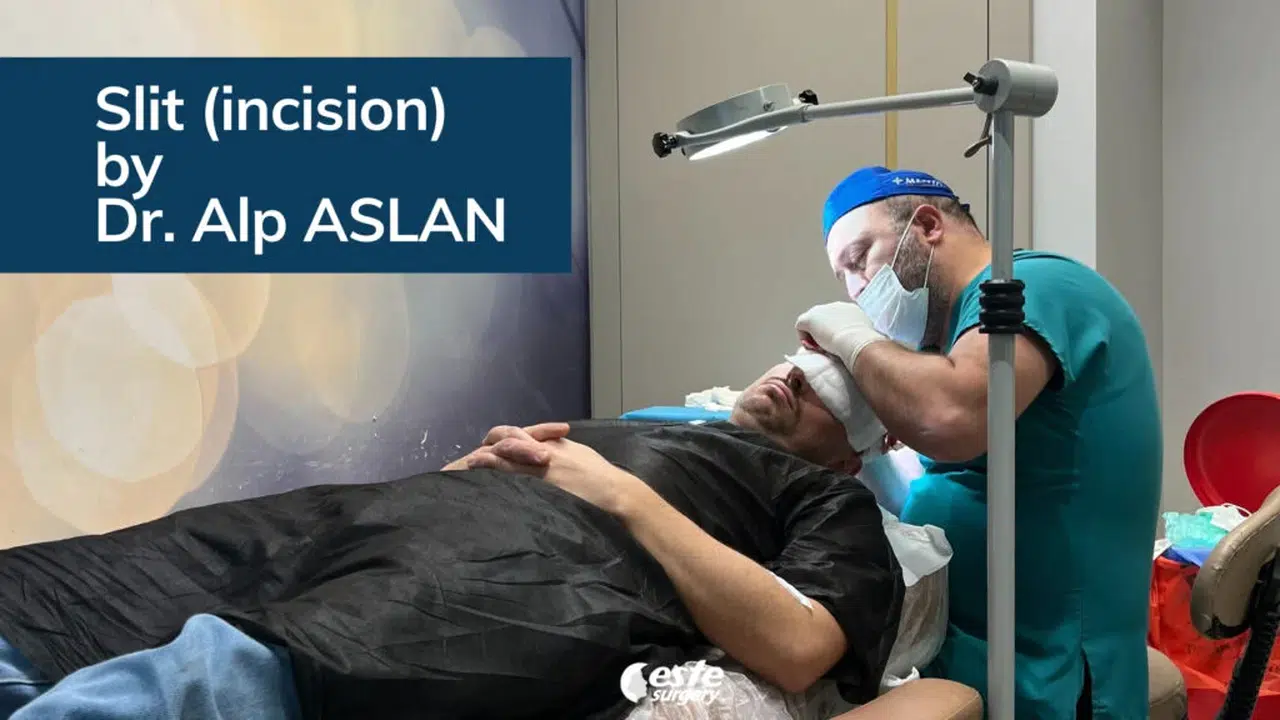

Hair transplantation continues to evolve with medical innovations and new approaches each year. As we move into 2026, many individuals researching hair restoration ask the same critical question: what is the best hair transplant technique 2026? Understanding the different options and recent advancements is key to making an informed decision. This guide offers an up-to-date, informational overview for anyone seeking clarity on the best hair transplant technique 2026 and related topics.
Exploring Hair Transplant Methods in 2026
There are several established and emerging hair transplant procedures available. When evaluating the best hair transplant method 2026, it is important to look at effectiveness, recovery time, and suitability for different hair types and needs. Traditionally, Follicular Unit Extraction (FUE) and Follicular Unit Transplantation (FUT) have been the primary techniques. However, recent years have seen further refinements and the introduction of advanced methods, such as Direct Hair Implantation (DHI) and robotic-assisted transplants.
What is the Best Hair Transplant Technique 2026?
The answer to what is the best hair transplant technique 2026 depends on several factors, including patient goals, hair characteristics, and the surgeon’s expertise. The best hair transplant technique is typically one that maximizes graft survival, delivers natural-looking density, and minimizes discomfort and scarring. In 2026, minimally invasive methods like FUE and DHI remain popular because they offer quicker recovery and leave minimal visible marks. DHI, for example, uses special pens to directly implant hair follicles, providing precision and improved results for suitable candidates. With new technologies, the landscape is changing. Clinics in 2026 are increasingly integrating AI-based planning, advanced imaging, and robotics to refine procedures. These enhancements contribute to more consistent outcomes, making the quest for the best hair transplant technique more promising than ever before.
Comparing Popular Hair Transplant Methods
To answer what is the best hair transplant method 2026, it is helpful to consider the pros and cons of each technique:
- FUE (Follicular Unit Extraction): Known for minimal scarring and fast healing, this method suits those seeking a less invasive approach.
- DHI (Direct Hair Implantation): Offers direct placement of follicles with higher precision, often favored for hairline work.
- Robotic FUE: Robotics improve accuracy and graft quality, though access may depend on clinic resources.
How to Choose the Best Hair Transplant Method 2026
When faced with questions like what is the best hair transplant method or what is the best hair transplant technique, personal consultation is essential. Each method has strengths and is best suited to certain hair types, extent of hair loss, and personal expectations. Consulting a qualified clinic that stays current with technological advancements helps ensure the most suitable method is selected. Those searching for the best hair transplant technique 2026 or asking what is the best hair transplant method 2026 should focus on a comprehensive evaluation. Understanding the available options, recent technological progress, and individual priorities leads to more satisfactory and long-lasting results.